

Blog
Allow us to share a few stories on what makes us tick at UC4, latest industry news, knowledge and a few insights.

eCommerce tools to improve user experience and boost sales
There are various tools available to enhance and support an eCommerce website and UC4 have integrated many of these tools into our clients’ websites.
Read more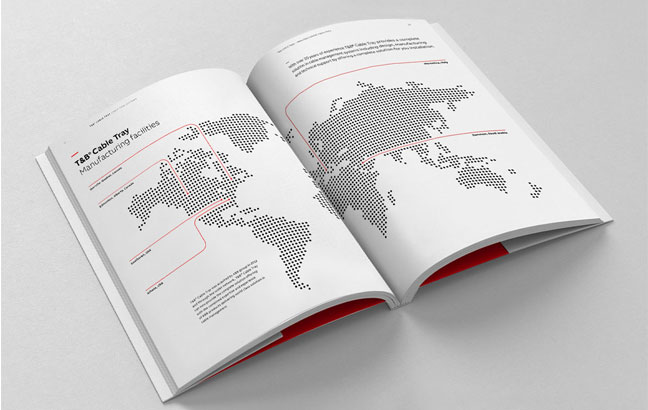
Case Study: ABB Group - XML Branding Template
UC4 have worked with ABB owned companies for over 17 years and throughout this time we have gained vast experience of producing digital and print design solutions for the ABB brand.
Read more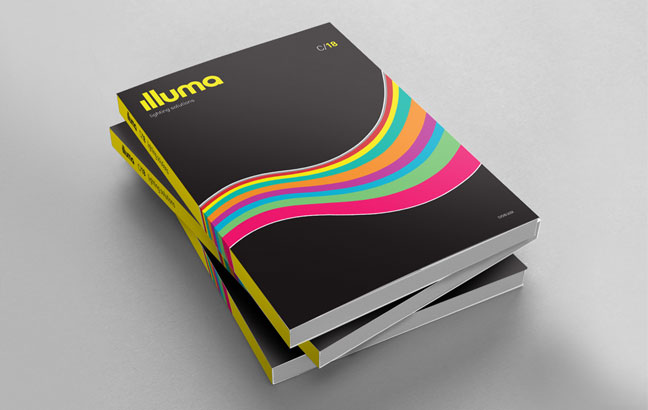
Case Study: Illuma lighting website & catalogue
UC4 has produced the Illuma catalogue for the last 4 years, which showcases their huge range of innovative products.
Read more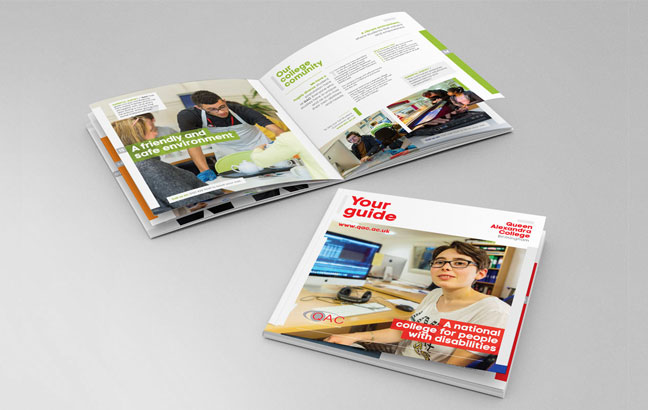
Case Study: Queen Alexandra College (QAC) - Your Guide prospectus
UC4 has designed the QAC Your Guide prospectus for the last 5 years, as well as developing the website, college literature and visitor cards.
Read more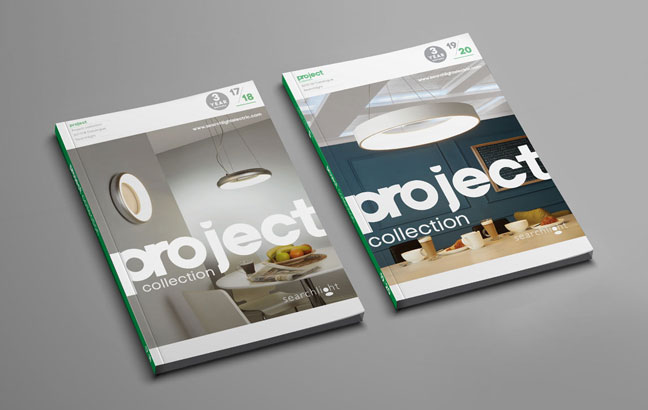
Case Study: Searchlight - Project Collection catalogue
UC4 worked with Searchlight to develop a branding style and catalogue guidelines to showcase the new collection, with an emphasis on clean contemporary layout and product specifications.
Read more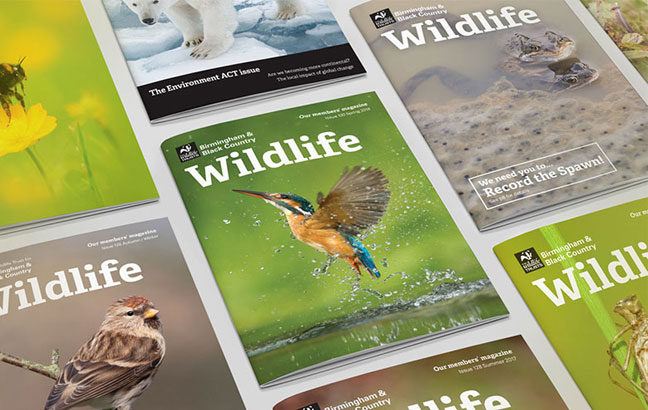
Case Study: The Wildlife Trust for Birmingham and the Black Country
Over the last 10 years, UC4 has produced a wide range of branded media for the Wildlife Trust, including the member magazine, conservation literature, exhibition material, nature reserve maps and signage.
Read moreAddress
UC4
The Priory
Canwell
Sutton Coldfield
West Midlands
B75 5SH
Contact
- e - [email protected]
- t - 0121 323 3636
Registered in England & Wales no. 3795882
VAT no. 785335108